
For decades, household cleaning products have been marketed as the ultimate solution for a spotless, germ-free home. Shelves in supermarkets are filled with brightly colored bottles promising “99.9% germ removal,” “extra shine,” and “deep cleaning power.” While these chemical-based products may deliver on their promise of visible cleanliness, they often do so at a hidden cost—our health, our pets’ safety, and the environment.
In this blog, we will explore how chemical cleaning products can be harmful inside your home, why the risks are often underestimated, and what healthier alternatives you can consider.
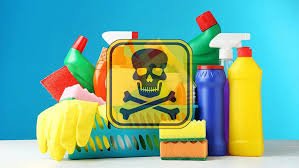
1. Toxic Ingredients Lurking in Plain Sight
Most conventional cleaning products contain a cocktail of synthetic chemicals such as ammonia, chlorine, formaldehyde, and phthalates. While they may serve a purpose in killing germs or breaking down grease, prolonged exposure can harm human health.
- Ammonia (commonly found in glass cleaners) can irritate the skin, eyes, and respiratory system.
- Chlorine bleach, often used in bathroom cleaners and laundry whiteners, releases toxic fumes that can cause coughing, wheezing, and aggravate asthma.
- Formaldehyde, a known carcinogen, is sometimes used in disinfectants and preservatives.
- Phthalates, often found in fragranced cleaners, may disrupt hormones and affect reproductive health.
Unfortunately, many of these ingredients are not even listed on product labels, making it harder for consumers to make informed choices.
2. Impact on Indoor Air Quality
We often associate pollution with traffic or factories, but few realize that indoor air can be more polluted than outdoor air. Chemical cleaning sprays, air fresheners, and disinfectants release volatile organic compounds (VOCs) into the air. These VOCs linger in enclosed spaces and can trigger headaches, nausea, dizziness, and long-term respiratory problems.
Children, the elderly, and those with asthma are especially vulnerable. Ironically, the very act of “cleaning” your home could be filling the air with invisible pollutants.
3. Hidden Danger to Children and Pets
Households with small children and pets face added risks. Kids often crawl on floors, touch surfaces, and put their hands in their mouths. If the floor or toys are cleaned with harsh chemicals, residues can easily find their way into their little bodies.
Pets, too, are at risk. Cats and dogs often lick surfaces or their paws after walking across a freshly cleaned floor. Ingesting even small amounts of toxic cleaners can lead to vomiting, diarrhea, or more severe health complications. For example, exposure to bleach or phenols can be life-threatening for cats and dogs.
4. Skin and Respiratory Irritation
Direct contact with chemical cleaners can cause skin irritation, burns, or allergic reactions. Even mild exposure to strong disinfectants can lead to rashes or dryness. Inhalation of fumes during cleaning often leads to coughing, wheezing, or shortness of breath.
For people with pre-existing respiratory conditions such as asthma or bronchitis, chemical cleaners can worsen symptoms, sometimes severely. In fact, research has shown that frequent use of cleaning sprays can have effects similar to smoking a pack of cigarettes a day in terms of long-term lung damage.
5. Environmental Impact
What goes down your drain doesn’t simply disappear. Harsh cleaning chemicals often end up in rivers, lakes, and oceans after wastewater treatment. Many of these substances do not fully break down, leading to water pollution that harms aquatic life.
Additionally, plastic packaging from chemical cleaners adds to the global plastic waste crisis. Most bottles are non-recyclable or end up in landfills, taking hundreds of years to decompose.
6. False Sense of “Clean”
Chemical cleaners often use strong fragrances and artificial shine agents to give the illusion of cleanliness. The citrus scent in your bathroom or the lavender smell in your living room may simply be masking the toxic ingredients within the product. A clean home should not come at the cost of filling it with synthetic chemicals that compromise long-term health.
7. Safer Alternatives You Can Try
The good news is that there are safer, natural alternatives that can effectively clean your home without harmful side effects:
- Vinegar and baking soda: A powerful natural duo for removing stains, deodorizing, and disinfecting.
- Lemon juice: Naturally antibacterial and perfect for cutting grease.
- Castile soap: Gentle, biodegradable, and multipurpose.
- Essential oils (like tea tree, lavender, or eucalyptus): Add fragrance and antibacterial properties.
- Eco-friendly cleaning products: Look for brands that are certified biodegradable, cruelty-free, and free from toxic chemicals.
Switching to natural cleaners not only reduces health risks but also helps protect the environment and makes your home safer for children and pets.
8. Conclusion: Choose Health Over Harsh Chemicals
At first glance, chemical cleaning products may seem like quick and effective solutions for household chores. But the hidden dangers—ranging from respiratory issues and skin irritation to long-term health risks and environmental harm—make them a poor trade-off.
A truly “clean” home is one that is not only spotless but also safe for the people and pets who live in it. By making the shift toward natural, eco-friendly cleaning alternatives, you are protecting your family’s health, preserving the environment, and contributing to a more sustainable future.
After all, what good is a sparkling clean floor if it comes with invisible health risks?