
When we think of pollution, images of smoggy skies, traffic jams, or factory chimneys often come to mind. Rarely do we think about our own homes. Yet, research shows that indoor air can be two to five times more polluted than outdoor air, largely because of the very products we use to keep our homes clean.
Ironically, the cleaning products meant to protect us may be quietly harming us instead. Let’s dive deeper into how indoor pollution from household cleaners affects your health—and what you can do about it.
1. What is Indoor Pollution?
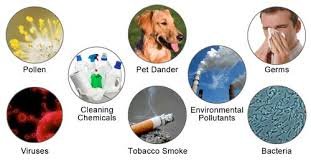
Indoor pollution refers to contaminants in the air inside homes, offices, or other enclosed spaces. Unlike outdoor pollution, which disperses in the atmosphere, indoor pollutants get trapped and build up, especially in spaces with poor ventilation.
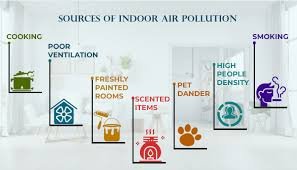
Sources of indoor pollution include smoke, cooking fumes, building materials, and—most commonly—chemical cleaning products.
2. How Cleaning Products Contribute to Indoor Pollution
Many conventional cleaning agents release volatile organic compounds (VOCs). These are chemicals that easily vaporize into the air, creating invisible pollution inside your living space.
Products that typically emit VOCs include:
- All-purpose sprays
- Disinfectants and bleaches
- Air fresheners
- Polishes and glass cleaners
While they may leave surfaces sparkling, they also leave behind harmful residues and airborne toxins.
3. Health Risks of Indoor Pollution from Cleaners
The health impact of VOCs and other toxic chemicals depends on the frequency and level of exposure. Some effects are immediate, while others build up over time.
- Short-term effects: headaches, dizziness, nausea, skin rashes, and eye irritation.
- Respiratory problems: coughing, wheezing, and worsening of asthma.
- Long-term risks: chronic respiratory illnesses, hormonal disruption, and even increased cancer risk from chemicals like formaldehyde or benzene found in some cleaners.
Children, elderly people, and those with weakened immune systems are especially vulnerable.
4. Why Indoor Pollution Can Be Worse Than Outdoor
Unlike outdoor pollution, which has space to disperse, toxins indoors remain trapped. Most modern homes are designed to be energy-efficient and airtight, which means less ventilation. While this keeps out outdoor pollutants, it also means that harmful chemicals released from cleaning products have nowhere to go.
The result? Indoor air often becomes more toxic than the smog outside your window.
5. Signs Your Home Has Poor Indoor Air Quality
You may not notice indoor pollution immediately, but here are some common signs that cleaning chemicals might be affecting your air:
- Lingering chemical smell after cleaning
- Frequent headaches or fatigue indoors
- Increased coughing or sneezing
- Children or pets falling ill often
- Feeling better when spending time outside
If you recognize these signs, it may be time to rethink your cleaning routine.
6. Natural Ways to Improve Indoor Air Quality
Fortunately, you don’t need to compromise on hygiene to protect your indoor air. Here are safer alternatives:
- Switch to eco-friendly cleaners made with natural ingredients like vinegar, lemon, or plant-based surfactants.
- Ventilate your home by keeping windows open during and after cleaning.
- Add indoor plants such as peace lilies, aloe vera, or spider plants, which naturally filter toxins from the air.
- Avoid aerosol sprays and opt for liquid or solid alternatives.
- Make DIY cleaners using baking soda, essential oils, or castile soap.
7. Long-Term Benefits of Cleaner Indoor Air
Making small changes in your cleaning routine can lead to big improvements in your health and quality of life. Families often report fewer allergies, reduced asthma flare-ups, better sleep, and overall improved well-being after switching away from chemical cleaners.
On a broader level, reducing reliance on chemical cleaners also helps minimize environmental pollution—making your home healthier and the planet greener.
8. Conclusion: Clear the Air Inside Your Home
We spend nearly 90% of our lives indoors, which means the quality of our indoor air directly impacts our health. If you’re still relying on conventional chemical cleaners, you may be unknowingly polluting the very space you want to protect.
The good news? By choosing natural, eco-friendly alternatives and improving ventilation, you can drastically cut down on indoor pollution and create a healthier, safer home environment.
After all, the air you breathe should refresh you—not harm you.